
“Pregnancy emergency assistance in Kuwait” is an umbrella term describing any urgent assistance received by females suffering from pregnancy complications or unwanted pregnancies in the State of Kuwait. The help can also be in terms of abortions done early on, ectopic pregnancies, or crises in reproduction that require immediate help. Factors determining safety and possible solutions include personal health conditions, stages of gestation, and medical oversight. The following article is purely informational in nature and should not substitute the recommendations of a licensed physician.

Faced with a health emergency related to reproductive system, one can feel utterly lost. Whether your concern is an unplanned pregnancy, possible complications, or you just do not know where to start — rest assured that there are competent specialists out there.
There exists a highly developed public healthcare system that operates under the jurisdiction of the Ministry of Health in Kuwait, besides numerous private hospitals and specialty clinics. The emergency women’s health services in Kuwait are extensive, dealing with various cases of reproductive health emergencies, such as complications during early stages of pregnancy, ectopic pregnancy, evaluation of unplanned pregnancies, and ob-gyn related emergencies.
The article offers informative and evidence-based educational material about emergency pregnancy services in Kuwait. The information provided includes causes of emergencies, signs to look out for, diagnosis and treatment methods (including the administration of medical abortions by means of mifepristone and misoprostol), the legal healthcare environment in Kuwait, and available local sources of assistance.
 This content is for educational purposes only and does not constitute medical advice. Always consult a qualified, licensed healthcare professional for your personal health needs.

Category | Details |
Medical Category | Emergency reproductive health services / Complicated pregnancy |
Main Reasons | Failure of contraception, unprotected sex, other health problems |
Important Symptoms | Amenorrhea, pelvic pain, positive pregnancy test, vaginal bleeding |
Level of Risk | Based on pregnancy period, patient’s health condition, and response time |
Methods of Diagnosis | Blood test for hCG, ultrasound scan, medical evaluation by physician |
Methods of Treatment | Medication (mifepristone and misoprostol), surgery, further treatment |
Recovery Time | Usually between 1 and 2 weeks with proper medical assistance |
Supervision Required | Required – by an experienced medical practitioner at certified healthcare center |
Emergency pregnancy care includes urgent clinical evaluation and intervention on any reproductive issue that could impact the well-being of the patient and necessitate an urgent medical decision. In Kuwait, such services are offered in government hospitals, private clinics, and emergency departments of ob/gyn specialists.
According to the World Health Organization (WHO), emergency reproductive health services constitute an essential element of women’s health care rights. Delaying treatment due to ectopic pregnancies, miscarriages, or complicated unintended pregnancies may result in serious avoidable complications. The Ministry of Health in Kuwait has persistently dedicated efforts to improve the infrastructure for women’s health services.
Ectopic pregnancy (the development of the fertilized egg somewhere other than in the uterus)
Uncontrolled vaginal bleeding after a miscarriage
Unplanned pregnancy when an examination by a medical professional is needed
Hyperemesis gravidarum (severe vomiting experienced during pregnancy)
Pelvic infection or sepsis due to some reproductive event
Post-sexual intercourse reproductive consultation
Reproductive emergencies may result from various physiological and clinical factors. Understanding these causes is key to making women aware of the reasons for their pregnancy problems.
Missing your period with nausea, tiredness, or sore breasts
Home pregnancy test result plus unexplained pelvic pains or spotting
Spotting in early weeks of pregnancy
Mild lower abdominal cramps without explanation
Sharp stabbing one sided lower abdominal or pelvic pain – ruptured ectopic
Bleeding heavily enough to soak through more than one tampon an hour
Temperature higher than 38.5 degrees with abdominal pain and discharge
Feeling dizzy, passing out, or not being able to stand up – danger of internal bleeding
Pain at tip of your shoulder – possibly sign of internal bleeding in ectopic
Heart palpitations, paleness, cold sweats with abdominal pain
 If you are having any of the above symptoms, please contact Kuwait Emergency Services at 112.
Serum beta-hCG test – to determine the presence and amount of pregnancy hormones
Transvaginal or abdominal ultrasound test – for localization of pregnancy
Complete blood count test (CBC) – to detect infections, signs of anemia or severe hemorrhage
Urinary hCG test – quick preliminary test to confirm pregnancy at a triage
Full menstrual and obstetric history assessment
Symptoms’ description (onset, development)
Pelvic exam performed by a qualified gynecologist
Drug treatment and past diseases
In the emergency departments of major government clinics and private medical facilities, Kuwait offers an evaluation of reproductive emergencies (pregnancy), including first blood testing and ultrasonography in 1-3 hours, which allows making evidence-based decisions about patient management.

According to international standards for obstetrical practice, some drugs that are used specifically for dealing with the mentioned conditions under strict clinical guidelines are:
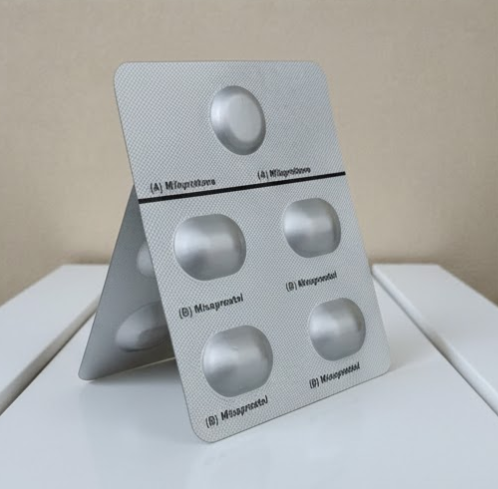
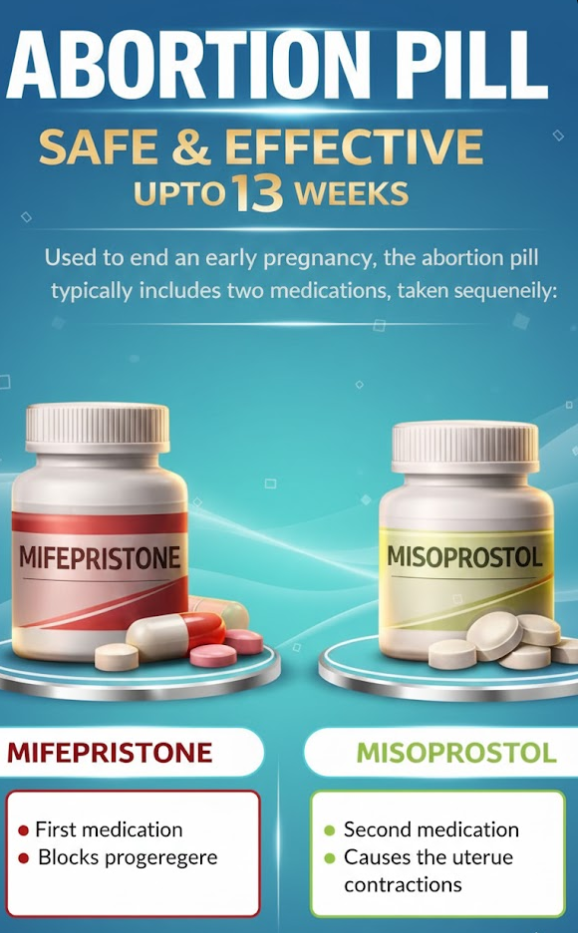
Mifepristone and misoprostol are WHO-recommended essential medicines used clinically to terminate pregnancy in cases of missed abortion, incomplete miscarriage, among others. Mifepristone and misoprostol are strictly controlled and can only be used clinically by licensed doctors in licensed clinics in Kuwait.
Mifepristone – a progesterone receptor antagonist used as part of combined medication
Misoprostol – a prostaglandin analog drug commonly used to prevent postpartum hemorrhage and labor assistance
These drugs require a medical prescription; misuse or unauthorized use can lead to severe consequences
Neither of these drugs should be taken without a doctor’s prescription
 Mifepristone and misoprostol are prescription-only drugs in Kuwait and can only be managed clinically by licensed physicians in authorized healthcare centers.
Manual Vacuum Aspiration (MVA) – least invasive surgical procedure, done under local or general anesthesia
Dilation and Curettage (D&C) – recommended for particular conditions of incomplete or difficult early pregnancy cases
Laparoscopic surgery – needed procedure in case of confirmed ectopic pregnancy in order to avoid life-threatening rupture
Injection of Rh-immunoglobulin for women with Rh negativity to avoid sensitization
Iron and nutritional supplements after blood loss from the pregnancy experience
Use of antibiotics if an infection of pelvis is detected or suspected
Psychological counseling is provided at large Kuwaiti hospitals

Uterine contractions and pelvic pain experienced while undergoing therapy – predictable outcomes
Nausea, vomiting or diarrhea – commonly associated with use of Misoprostol
Chills, or low-grade fever – temporary side effects of prescribed medicine usage
Vaginal spotting to bleeding akin to menstrual period

Severe bleeding – seek immediate help if blood loss becomes unusually heavy
Incompleteness of treatment – manifestation of pregnancy despite medical termination
Pelvic infection – fever accompanied by severe abdominal pain and foul-smelling discharge
Allergy or anaphylaxis to any medication taken
Do not acquire any medications for termination of pregnancy without a doctor’s prescription
Give full disclosure regarding all health information during consultations
Consult and agree on all plans of treatment with qualified gynecologist/obstetrician beforehand
Secure a friend’s presence and a guaranteed post-treatment appointment
Only safe care is evidence-based and compassion-driven. Never hesitate to confirm your doctor’s qualifications.
1. Accessing emergency pregnancy care in Kuwait can be obtained from MOH hospitals or licensed private clinics – seeking medical care promptly increases chances of success.
2. However, Mifepristone and Misoprostol are important medications for reproductive health care according to WHO, which cannot be taken by oneself; these medications are always taken under proper medical guidance only.
3. The symptoms of serious problems such as severe stomach pains, heavy vaginal bleeding, or fever might be very important for your survival; therefore, you should dial 112 for assistance or go to your nearest emergency room.
4. The provision of medical guidance and healthy sex life services to women is highly
Pregnant women with established or suspected ectopic pregnancy – pharmacological approach should be avoided
Pregnant women who have hemophilia or take anticoagulants
Women with corticosteroid dependency (mifepristone is not indicated in this case)
Women with cardiovascular diseases, renal impairment, and liver-related diseases
Women having intrauterine contraceptive devices (IUCDs)
Ectopic pregnancy – needs surgical intervention
Gestation period higher than the one for which medication is allowed
Hypersensitivity or allergy to any ingredients of either of these drugs
Adrenal and metabolic insufficiencies
The regulation and practice of reproductive health care services in Kuwait fall under the responsibility of the Kuwait Ministry of Health based on the Public Health Law (No. 55 of 1962 with its amendment), the Kuwait Medical Practice Law. All reproductive procedures should be performed by licensed medical practitioners in facilities accredited by the MOH. Kuwait Patient Rights Charter provides patients with the rights of informed consent, confidentiality, dignity, and access to healthcare services.
Days 1-3: Expected pelvic cramping and vaginal bleeding; rest and proper hydration is crucial
Days 4-7: Gradual symptom alleviation; mild daily activities may begin
Second week: Review of clinical status – blood hCG analysis or ultrasound to verify reproductive process completion
Fourth-sixth week: Menstruation cycle resumes; gynecological examination recommended
Sanitary pads should be used exclusively for at least two weeks
Physical activity, swimming, and sexual intimacy should be avoided until physician’s approval
Hydration and proper nutrition should be maintained during the whole recovery period
Attend all necessary follow-up sessions – they are a matter of clinical importance, not preference
Reproductive emergencies always imply not only physiological consequences, but also emotional ones as well. Women in Kuwait are advised to seek psychological assistance in the respective departments of hospitals, their doctors, or professional counselors. Emotional and physical recovery are one in the same thing and should not be ignored.
Post-procedure follow-up consultations are vital. Non-compliance may result in serious clinical complications.
Visit an urgent healthcare facility immediately if you have experienced any of the following:
Severe, sudden, and on one side only pain in your abdomen or pelvis – may indicate ruptured ectopic pregnancy
Heavy vaginal bleeding that requires changing more than one sanitary pad per hour
High fever (over 38.5°C) and pelvic pain, tenderness, or malodorous vaginal discharge
Fainting, extreme dizzy spells, or pale complexion – may be caused by severe internal bleeding
No relief of the symptoms within 48 hours post medical examination
Presence of positive pregnancy test 4 or more weeks after successful treatment of the condition
Police & Ambulance Emergency Service: 112
Ministry of Health, Health Information Hotline: 1800100
Mubarak Al-Kabeer Hospital: +965 2562 3000
Al-Sabah Hospital (Maternity & Gynecology Unit): +965 2484 2999
Al-Amiri Hospital: +965 2245 0005
Kuwait Oil Hospital (KOH): +965 23


Mubarak Al-Kabeer Hospital – Jabriya, Kuwait City | Phone: +965 2562 3000
Al-Sabah Hospital (Maternity and Gynecology) – Shuwaikh | Phone: +965 2484 2999
Al-Amiri Hospital – Kuwait City | Phone: +965 2245 0005
Farwaniya Hospital – Farwaniya Governorate | Ministry of Health Facility
Adan Hospital – Hadiya | Ministry of Health Facility

Royale Hayat Hospital – Salmiya | Phone: +965 2220 0555
Al Salam International Hospital – Kuwait City | Phone: +965 2575 3000
Dar Al Shifa Hospital – Hawalli | Phone: +965 2264 5111
New Mowasat Hospital – Salmiya | Phone: +965 2571 6996

Information about emergencies in reproductive health care for women in Kuwait is available via the Ministry of Health Kuwait eServices, Women’s Health Portal by the WHO, and the FIGO Women’s Health.
According to the latest WHO reports and clinical studies in the field of obstetrics, the early treatment of reproductive emergencies by medically trained personnel greatly lowers morbidity and mortality among women. The 2023 WHO list of essential medications for reproductive health reiterates the importance of the supervised clinical protocols involving both drugs.
According to WHO (2022), when the reproductive emergencies are medically managed, there is a reduction in the likelihood of life-threatening complications by 70%.
The results of the research conducted and presented in the British Medical Journal (BMJ, 2023) prove that the existence of medical reproductive emergencies can prevent possible risks for pregnant women.
Kuwait Ministry of Health, Annual Report 2022, indicates the enhancement of reproductive emergency healthcare in the country.
Reproductive health care standards adopted by the leading hospitals of Kuwait comply with the international reproductive health standards suggested by FIGO, RCOG, and WHO.
Sources cited exclusively for educational purposes. Your medical case differs from those described in the paper. Only a licensed medical practitioner can advise you what actions should be taken.
A1: Yes There are hospitals which provide emergency assistance in matters relating to women’s health and reproduction in Kuwait. They include Mubarak Al-Kabeer Hospital, Al-Sabah Hospital, and Kuwait MOH. They provide confidential emergency services related to reproduction.
Q2: What is mifepristone and misoprostol?
Mifepristone and misoprostol are classified as essential medicines by the World Health Organization for clinical management of miscarriage and some reproductive emergencies. In Kuwait, these drugs are given only under the direct supervision of a licensed physician within approved medical establishments – not available in self-administered form.
Q3: Where can I get emergency reproductive services in Kuwait?
Main hospitals providing such services are Mubarak Al-Kabeer Hospital, Al-Sabah Hospital, Al-Amiri Hospital, among others, and privately owned clinics. Kuwait MOH provides a health helpline and services for women in emergency health situations 24/7.
All healthcare professionals in Kuwait adhere to standards of medicine practice and patient confidentiality provided for by the Kuwait Medical Law. It is advisable to seek information on confidentiality at the healthcare provider’s office prior to your consultation.
These can be identified through sudden severe pain in the lower abdomen, excessive vaginal bleeding, high fever with abdominal pain, dizziness or fainting, palpitations, and pain in the tip of the shoulders.
Yes. It is safe since reproductive health care in Kuwait is supported through government and private clinics licensed by the country’s Ministry of Health.
Avoid panicking, taking any medications without consulting an expert, and reach out to an experienced specialist in this regard. The most crucial thing is to undergo early evaluation from a healthcare expert for your well-being. In Kuwait, you can contact MOH 1800100/112.
Reproductive health care in Kuwait is guided by the Kuwait Public Health Law and Medical Practice Law of the Ministry of Health. This means that reproductive health care should be conducted by licensed clinicians.
It includes proper medical evaluation, right and scientific treatment in the presence of supervision, prevention of infections, counseling, and follow-up. Safe emergency reproductive health care is conducted in properly equipped hospitals under the supervision of an expert gynecologist as per WHO standards.
If a woman experiences an ectopic pregnancy, excessive bleeding, signs of sepsis, or anything that quickly deteriorates her reproductive health condition, then this pregnancy can be categorized as a medical emergency. Prompt hospitalization for such a patient can save lives as results improve immensely when immediate professional attention is sought.